
THE EXPLORATIONS
Orion - Granja Paraiso 92 Yellow Bourbon - Anaerobic Washed & Thermal Shock
Granja Paraiso 92, an iconic farm led by the award-winning Wilton Benitez, needs no introduction. This is a yellow bourbon coffee, processed using multiple methods, resulting in a cup rich in flavor and complexity.
Couldn't load pickup availability
Orion
Also known as "the hunter," this constellation represents Orion, a demigod son of Poseidon, renowned for his hunting skills and exuberance.
- Country : Colombia
- Region : Cauca
- Farm / washing station :La Macarena
- Producer : Wilton Benitez
- Varieties : Yellow Bourbon
- Processing methods : Washed, anaerobic & thermal shock
- Altitude : 1,950m
- Harvest period : January 2026
- Tasting notes : Clementine, coconut, magnolia.
- SCA score : 90/100
- Complexity level : Very high
- Acidity : Very high
- Body / strength : Vibrant


Nf - Recommended recipe
Filter:
- 15g coffee / 220g water
- Water 92°C
- Grind: coarse
- Number of pours: 3
- Flow time: < 2min
Tip:wait 3 to 4 weeks for degassing after roasting before consuming this coffee as a filter. The aromatic peak is estimated to be 1 month after roasting.

Nm - Terroir
Colombian coffee is first and foremost a mountain coffee. It grows on the slopes of the Andes mountain range, in an equatorial climate tempered by altitude. The alternation between sun, regular rainfall, and cool nights slows down the maturation of the cherries, which allows for a high aromatic concentration. The soils are often volcanic or alluvial, rich in minerals, and most farms are small, which strengthens the link between coffee, soil, and microclimate.
The CaucaValley is located in southwestern Colombia, in the Andes mountain range, at an altitude between 1,400 and 2,000m, ideal for growing high-quality Arabica. The department benefits from a tropical mountain climate: mild temperatures (18–24°C on average), with cool nights that slow down the maturation of the cherries, favoring a concentration of sugars and aromas.
The farm Granja Paraisois located between 1,800 and 2,000mabove sea level, in Piendamo in the department of Cauca, and covers 120 hectares. The farm and its various entities (Granja Paraiso, La Macarena, Las Brisas & La Esperanza) benefit from the best possible conditions for growing exceptional coffee.

Nm - Producer
This is the work of Wilton Benitez, who has been cultivating coffee for over 26 years, with more than 20 years dedicated to specialty coffee. A renowned Q-Grader, his expertise in coffee tasting sets him apart in the industry. Thanks to his work, Granja Paraiso 92farm has collected numerous accolades, including titles at the Cup of Excellence (CoE) in Colombia. Wilton Benitez combines advanced agricultural techniques(terracing, drip irrigation, shading, laboratory nutritional monitoring) and innovative processesin a state-of-the-art facility equipped with bioreactors and quality control labs, while minimizing environmental impact (water recycling, renewable energy) to produce exceptional coffees. His scientific and sustainableapproach has brought his coffees to the peak of complexity.

Nf - Varieties
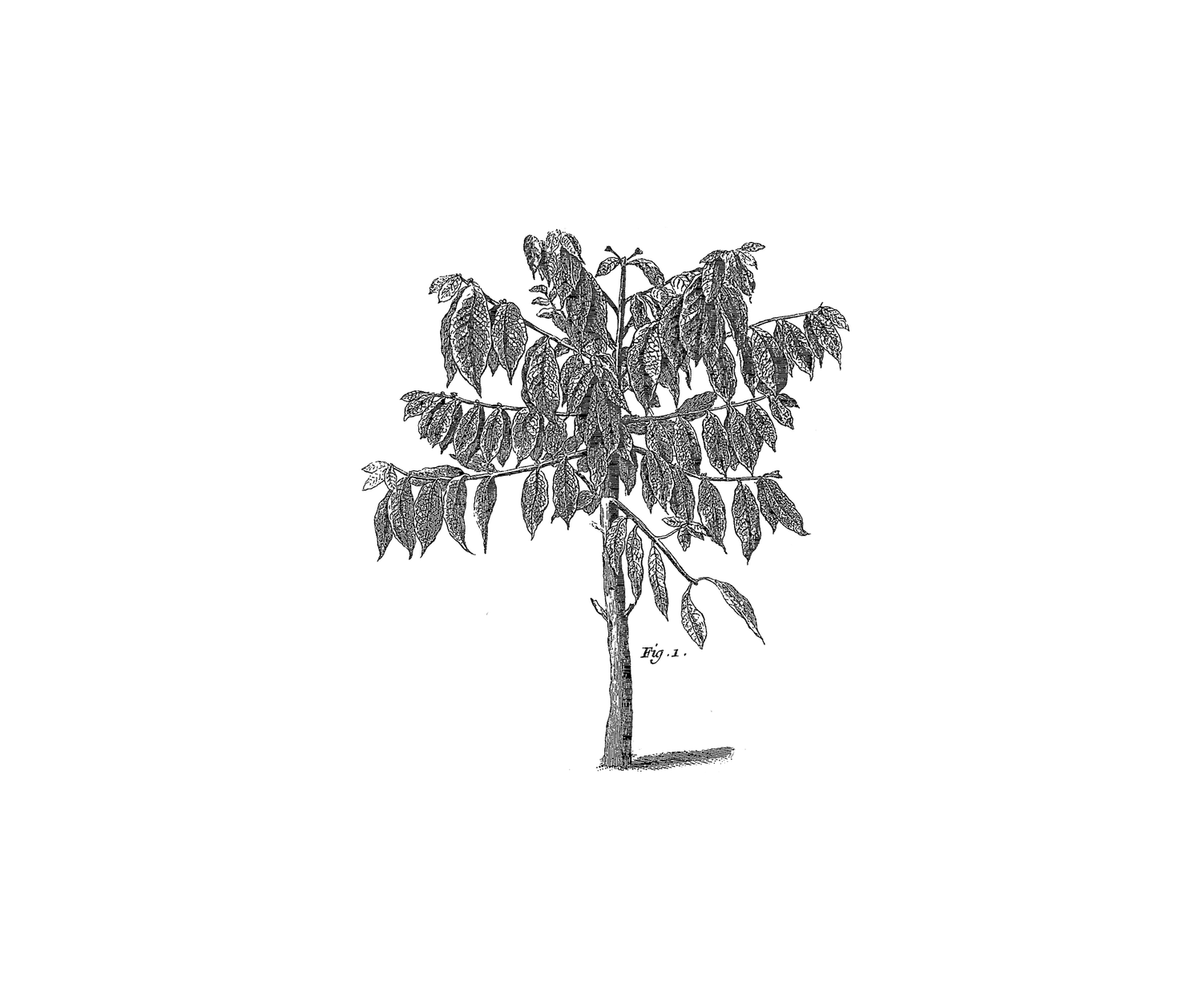
Yellow Bourbonis a variety of Arabica coffee, a natural mutationof the Bourbon variety, which itself originated from Typica. The cherriesare yellowwhen ripe, unlike the more common red Bourbon. Like all Bourbons, yellow Bourbon is susceptible to diseases and requires particular attention when cultivated.
Yellow Bourbon is renowned for its sweetness, its floral and fruity aromas, and its balanced acidity. It is mainly grown in Brazil, but also in Colombia, as is the case here. Its acidity there is often livelier and more complex than that of red Bourbon, with a lovely sweetness.

Nm - Treatment process
When we talk about coffee processing methods, we're referring to post-production: after the coffee cherries have been picked. This coffee undergoes a multitude of post-harvest processes, as follows:
The process begins with rigorous sterilization(ozonated water & UV) followed by immersion in 90°C water(thermal shock). The cherries are then depulped, which categorizes the coffee as washed.
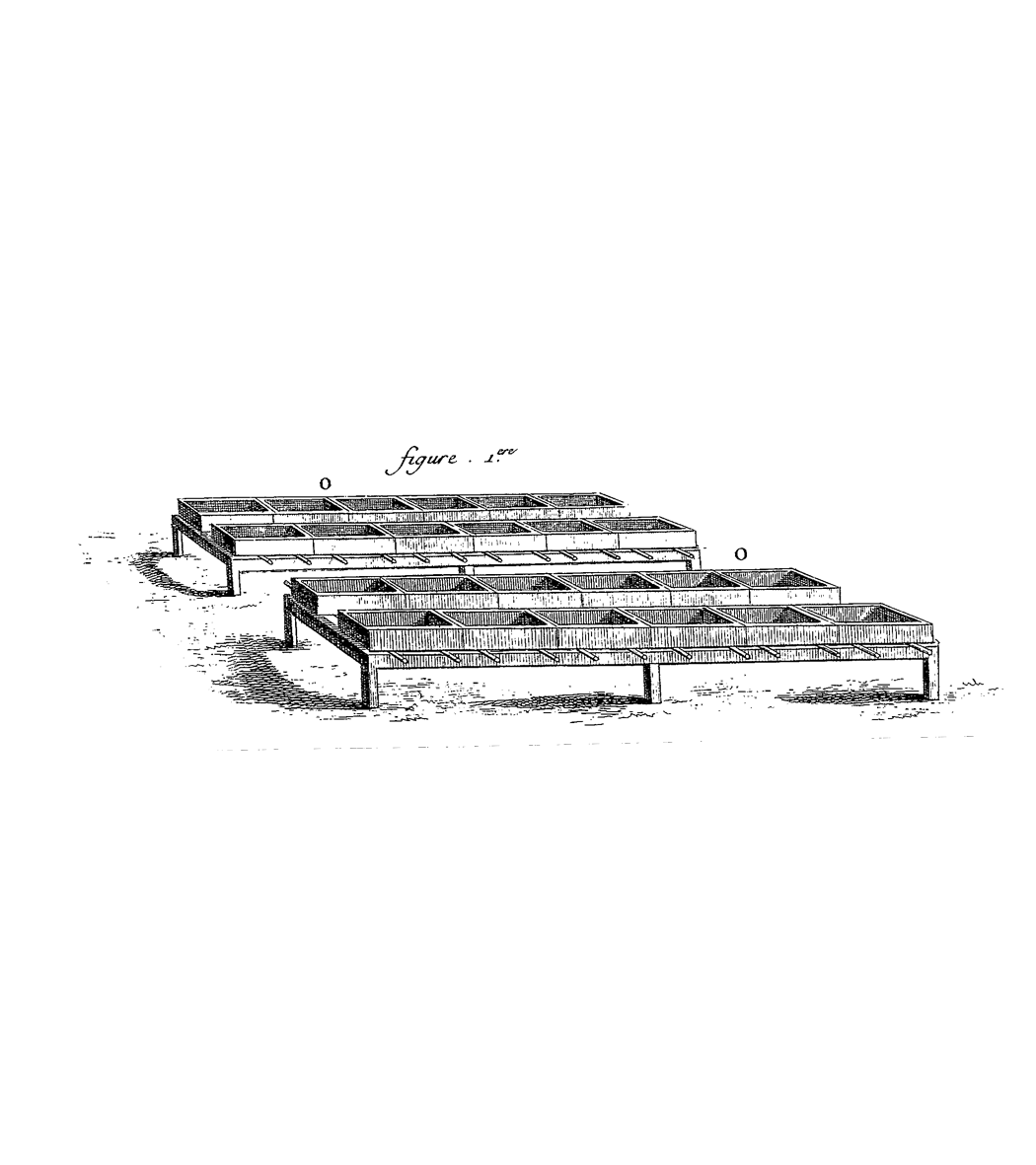
This is followed by controlled anaerobic fermentation(96 hours in a bioreactor with the addition of Saccharomyces pastorianuslager beer yeast), where pH and Brix degrees are adjusted in real-time before drying at 38°C.
This precise method, combining hygiene and science, guarantees coffees with unique and reproduciblearomatic profiles.
Stay up to date with the latest news
Subscribe to the newsletter to receive our latest coffee news, tips and exclusive information.