


PURE ORIGINS
Bellus - Guatemala Washed Ramon Pablo Chalez
Bellus - Guatemala Washed Ramon Pablo Chalez
Regular price
€15,00
Regular price
Sale price
€15,00
Tax included.
Shipping calculated at checkout.
Aromas of baked apple and caramel; with a little imagination, you'd almost think you were in Brittany.
Couldn't load pickup availability
Bellus.
Adj. In Latin, meaning beautiful, charming, or pleasant. It is a common classical Latin word, often used to describe someone or something agreeable or good.
- Country : Guatemala
- Region : Huehuetenango
- Village :Aldea Com Jacaltenango
- Producer: Ramon Pablo Chalez
- Farm : Los Pablos
- Variety : Caturra
- Processing method : Washed, patio dried
- Altitude : 1,800m
- Harvest period : December - March.
- Tasting notes : Honey, milk chocolate, yellow lemon.
- SCA Score : Not communicated
- Complexity level : Medium
- Acidity :Medium
- Body / Strength : Delicate



N.f - Recommended recipe

N.m - Terroir
M.n - Producer
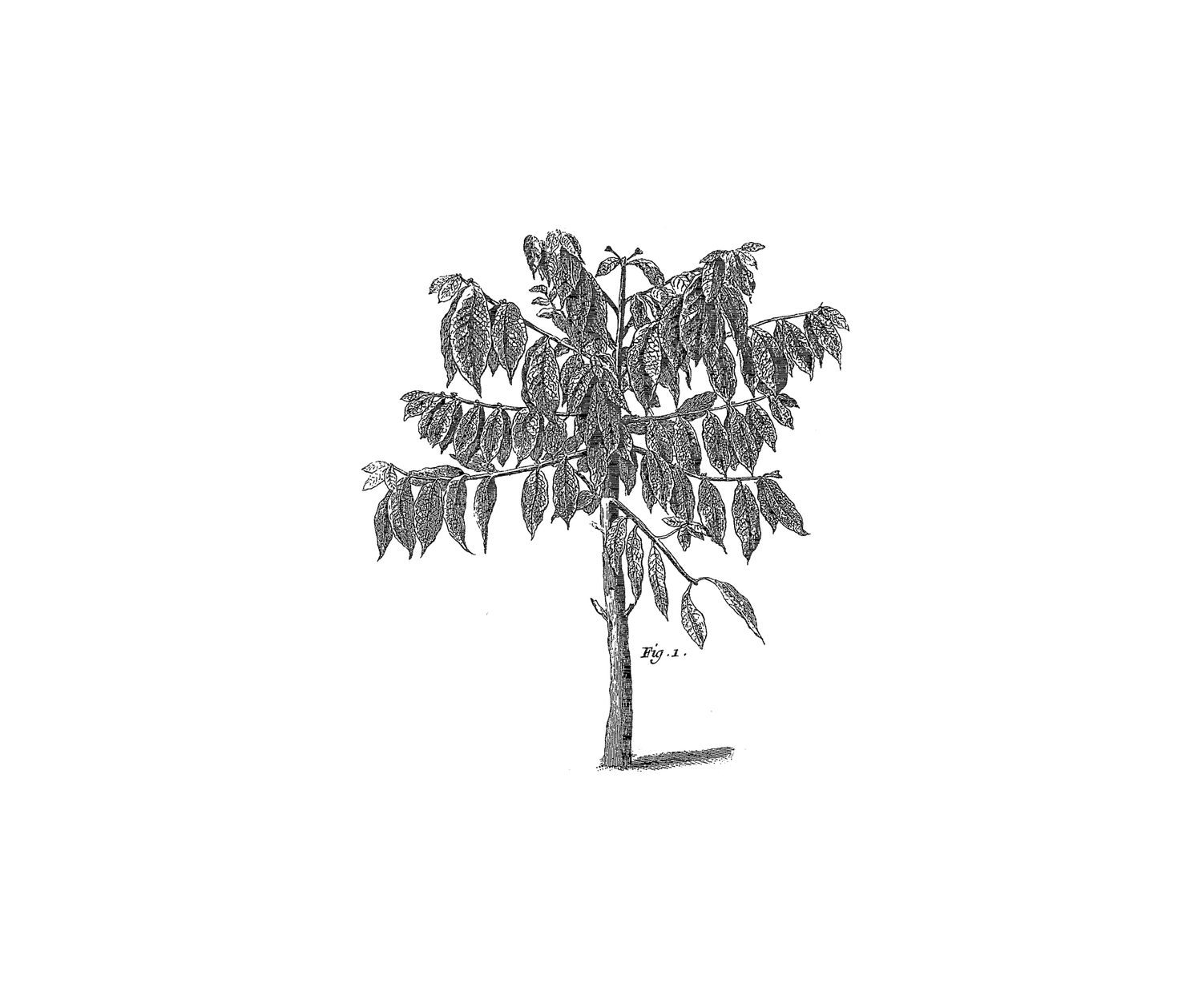
N.f - Varieties