
Skip to product information
1 of 4

PURE ORIGINS

Blandum - Koke Ethiopia Natural

Blandum - Koke Ethiopia Natural

Regular price €16,50
Regular price Sale price €16,50
Sale Sold out
Tax included. Shipping calculated at checkout.

Do you remember your first natural Ethiopian espresso? If not, try this one.

Weight
Style
Grind

Blandum

Adj. Neuter Latin term from blandus, meaning "sweet," "pleasant," "flattering." For the ancients, blandus described that which seduces through its gentleness: a speech, a look, or the wind that caresses the skin without biting. Caesar, Ovid, and Cicero used it to designate that which pleases without forcing, and charms without ostentation. That which approaches, envelops, and cajoles you. There could be no better name for a natural Ethiopian.


  • Country : Ethiopia
  • Region : Yirgacheffe; Gedeo Zone
  • Washing station: Koke Washing Station


  • Tasting notes : Coconut, white flowers, bergamot.
  • SCA Score : 88/100
  • Complexity level : High
  • Acidity : High
  • Body / power : Sweet and silky


View full details
Illustration de tasse

N.f - Recommended recipe

N.m - Terroir

Ethiopiais not simply a coffee-producing country. It is the country from which coffee originates, quite literally. It was in the forests of the Kaffa region, centuries ago, that Coffea arabicawas first identified in the wild. Before Brazilian plantations, before Yemeni terraces, before Colombian hills, there were the Ethiopian forests. A coffee that did not adapt to its environment, but rather an environment that created the coffee.
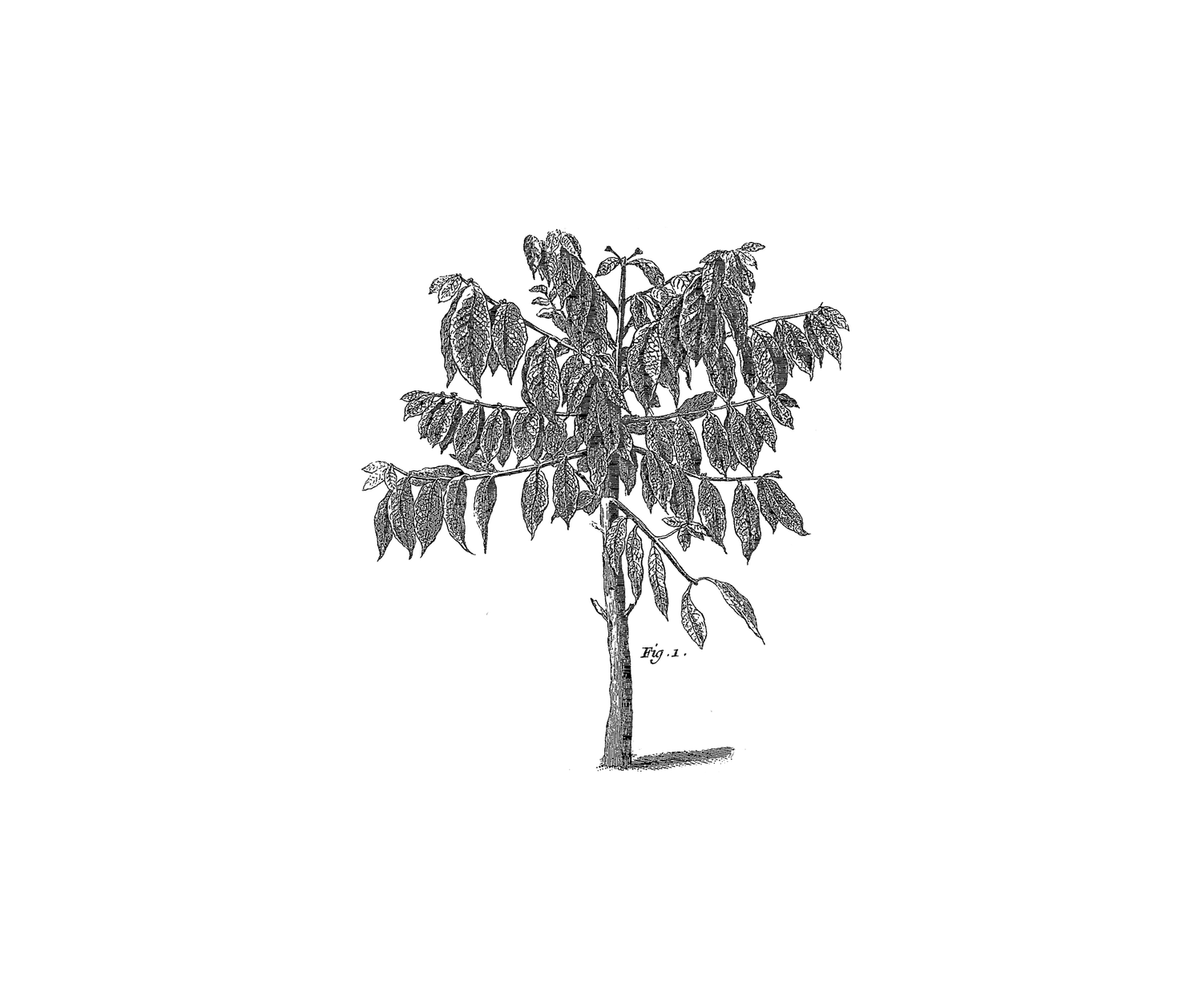
Today, Ethiopia is Africa's leading producer and the fifth largest in the world. But what sets it apart is not volume, but diversity. While most countries cultivate a few selected varieties, Ethiopia is home to thousands of different genotypes, still barely documented. Each region, each forest, each village has its own local varieties, sometimes called heirloomsor landraces, inherited from generation to generation and grown in traditional agroforestry gardens under a dense and protective canopy.


At the heart of this coffee geography, one name resonates in particular: Yirgacheffe. Not just any region among others. The cradle of specialty coffee as the world knows it. It was here, in the Gedeo Zonein the south of the country, that the first washing station in Ethiopiawas established in the 1970s—a fact that may seem anecdotal, but which changed the trajectory of an entire industry. Before that, cherries were processed locally and inconsistently. With the station, quality became reproducible, exportable, and recognized.
What Yirgacheffe produces, whether washed or natural, possesses a rare aromatic clarity. A bright acidity, persistent floral notes, and a texture that lingers without being heavy. These are coffees that surprise even palates accustomed to excellence.


It is in this context, on the outskirts of the town of Yirgacheffe, that the Koke Washing Stationprocesses the cherries brought in each season by dozens of small local producers. Thanks to a high altitude (between 1,870 and 1,900 meters), the coffees benefit from a slow, precise, and rigorous maturation.

M.n - Producer

N.f - Varieties

N.m - Processing method

When we talk about coffee processing, it leads us to post-production: after the cherries have been picked, the station is faced with a choice: leave the cherry pulp on or remove it before drying.
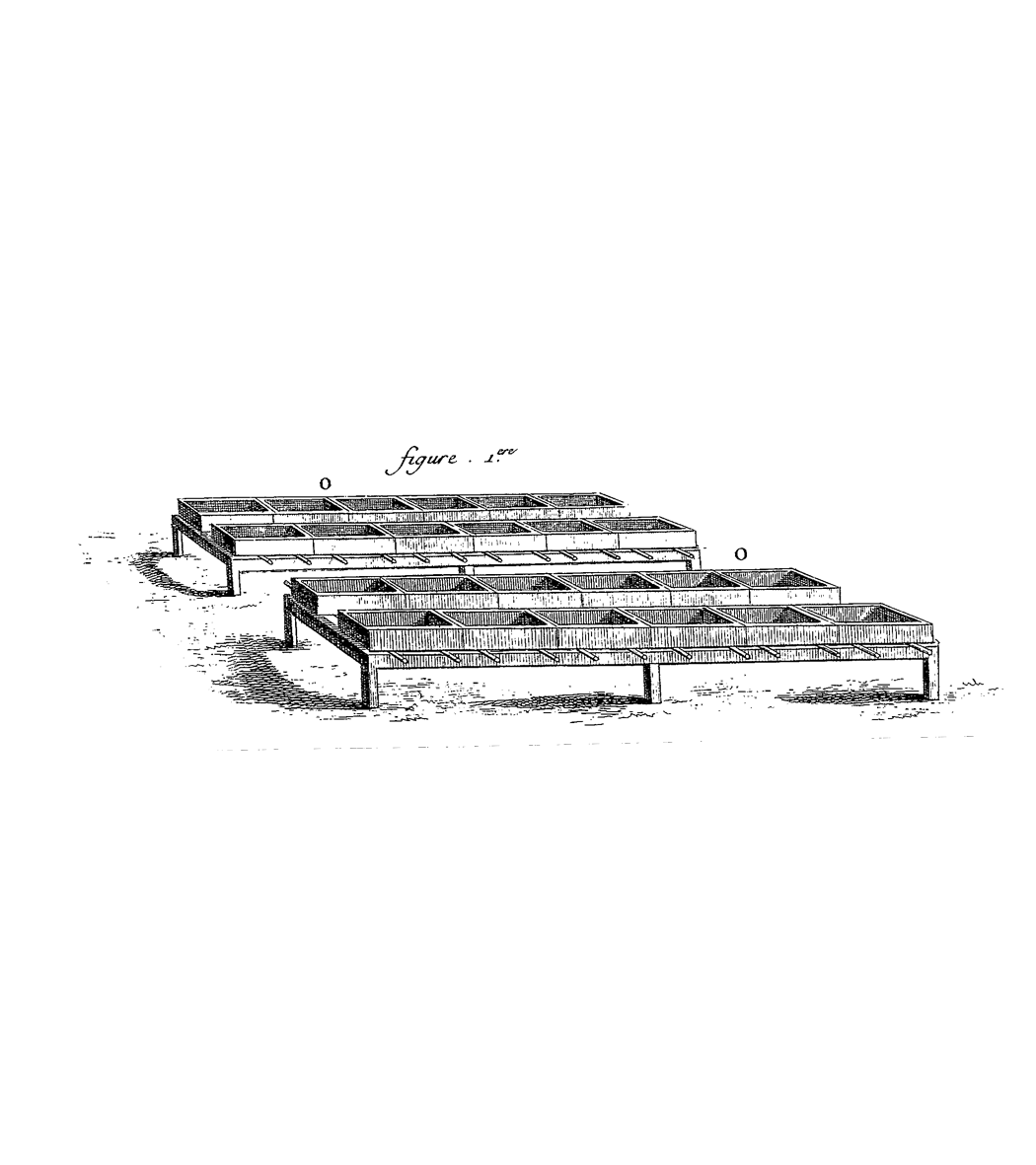
For this coffee, the naturalprocess means the cherries have been dried whole, without prior depulping. It is the oldest, most direct process, and the most demanding in terms of expertise if quality is the goal: during drying on raised African beds, the pulp ferments slowly around the bean, transferring some of its sugars and aromas. The result in the cup is immediately recognizable: more pronounced fruit, a fuller body, and an underlying sweetness that the washed process cannot replicate.