
Skip to product information
1 of 2

PURE ORIGINS

Funambulus - Ethiopia Gotiti washed

Funambulus - Ethiopia Gotiti washed

Regular price €17,00
Regular price Sale price €17,00
Unit price €68,00  per  kg
Sale Sold out
Tax included. Shipping calculated at checkout.

For tea lovers, we're approaching an Earl Grey, a subtle blend of black tea and bergamot. Addictive.

Weight
Style
Grinding

Funambulus

Name. A Latin term meaning "tightrope walker" or "tightrope artist", derived from funis ("rope") and ambulare ("to walk"). The word evolved into "funambulist" in English, referring to a person skilled in balancing.


  • Country: Ethiopia
  • Region: Gedeo Zone
  • Municipalities:Gotiti
  • Farm / washing station: Eva Gotiti Washing Station


  • VarietiesGibirinna 74110 & Serto 74112
  • Processing method: Washed
  • Altitude: 2,000 - 2,100m
  • Harvest period: December 2025 - February 2026


View full details
Illustration de tasse

Nf - Recommended recipe

Filter:

  • 15g coffee / 225g water
  • Water 92°C
  • Grind: coarse
  • Number of pours: 3 or 4
  • Drawdown time: < 2min30 in Origami

Nm - Terroir

L'Éthiopie n'est pas simplement un pays producteur de café. C'est le pays d'où le café vient, littéralement. C'est dans les forêts de la région de Kaffa, il y a plusieurs siècles, que Coffea arabica a été identifié à l'état sauvage pour la première fois. Avant les plantations brésiliennes, avant les terrasses yéménites, avant les collines colombiennes, il y avait les forêts éthiopiennes. Un café qui ne s'est pas adapté à son environnement : un environnement qui a fabriqué le café.
Aujourd'hui, l'Éthiopie est le premier producteur africain et le cinquième mondial. Mais ce qui la distingue n'est pas le volume mais bien la biodiversité. Là où la plupart des pays cultivent quelques variétés sélectionnées, l'Éthiopie abrite des milliers de génotypes différents, encore à peine documentés. Chaque région, chaque forêt, chaque village dispose de ses propres variétés locales appelées heirlooms ou landraces et héritées de générations en générations, cultivées dans des jardins agro-forestiers traditionnels sous une canopée dense et protectrice.
Trois grandes zones géographiques concentrent l'essentiel de la production de spécialité : Yirgacheffe, Sidama et Guji au sud — auxquelles s'ajoute la Gedeo Zone, leur voisine directe, encore moins connue du grand public mais pas moins remarquable.

La Gedeo Zone, dans le sud de l'Éthiopie, doit son identité à une organisation agricole millénaire : l'agro-forêt gedeo. Les caféiers n'y sont pas plantés en rangées sur des parcelles défrichées, ils poussent sous la forêt, intégrés dans un système à plusieurs étages où arbres fruitiers, bananiers et caféiers coexistent en parfaite harmonie. Ce paysage, classé au patrimoine mondial de la FAO comme Système Important du Patrimoine Agricole Mondial (SIPAM), n'est pas seulement beau : il est agronomiquement remarquable. La canopée protège les caféiers des écarts thermiques, maintient l'humidité du sol, et favorise une maturation lente et homogène des cerises.
Résultat en tasse : des profils aromatiques d'une clarté et d'une complexité qui surprennent même les palais les plus aguerris. Les cafés de Gedeo, lavés en particulier, sont connus pour leurs notes florales intenses, leurs acidités lumineuses, et une texture délicate qui rappelle davantage le thé que le café ordinaire.

C'est dans le Kebele de Gotiti, au cœur de ce Woreda, qu'Eva Gotiti a posé ses fondations en 2022. Deux hectares. 868 agriculteurs. Et la conviction que ce terroir d'exception mérite un process à la hauteur.

Nm - Producer

With Eva Gotiti, there isn't one producer. There are 868.
This is one of the peculiarities of Ethiopian coffee farming and one of its strengths. Here, coffee does not originate from the estate of a single emblematic farmer, but from the agroforestry gardens of hundreds of families, each cultivating a few coffee trees, often for generations, sometimes without even knowing the name of the variety they own. Coffee is a subsistence crop before it is an export crop — deeply rooted in daily life, passed down from hand to hand, season to season.
This is not a lack of traceability: it is another form of origin. That of a territory, a collective practice, a shared rather than personified expertise.
The Eva Gotiti station precisely plays this role of trusted intermediary: it collects cherries from these 868 farmers, centralizes them, processes them rigorously, and pays them a quality premium. It is the convergence point for coffee that would otherwise only exist in scattered fragments.
The producer of this coffee is Gotiti. It's the Gedeo Zone. It's a way of making coffee that hasn't changed for centuries — and which, for once, we have chosen not to simplify.

Nf - Varieties

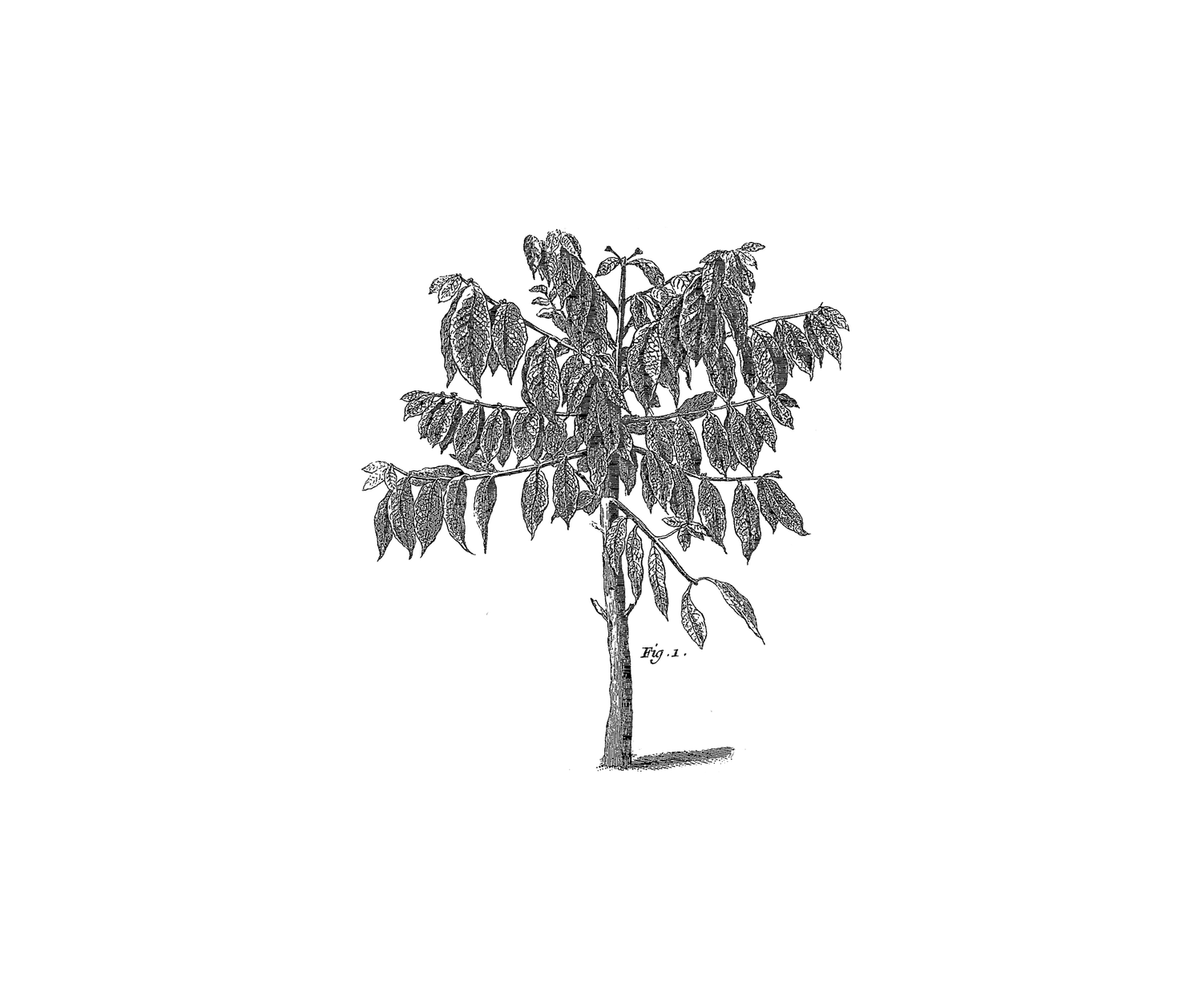
The Ethiopian coffee varietyHeirloomis one of the most precious jewels in the world of coffee. Grown at high altitude in the mountainous regions of Ethiopia, this variety is a true treasure with complex and deep aromas.
What makes the Ethiopian Heirloom variety unique is its wild, non-hybrid nature. These coffees are cultivated by local farmers using traditional practices passed down through generations. The absence of artificial hybridization means that each plant is a blend of indigenous varieties, giving the coffee extraordinary genetic diversity.

Nm - Treatment process

When we talk about coffee processing, this brings us to post-production: after the coffee cherries have been picked, the cooperative has a choice, leave the pulp of the cherry or remove it before drying.

Regarding this coffee, the process"washed"implies that the cherries were mechanically pulped and then fermented in water for a certain time (here 36 hours) before removing the remaining skin.

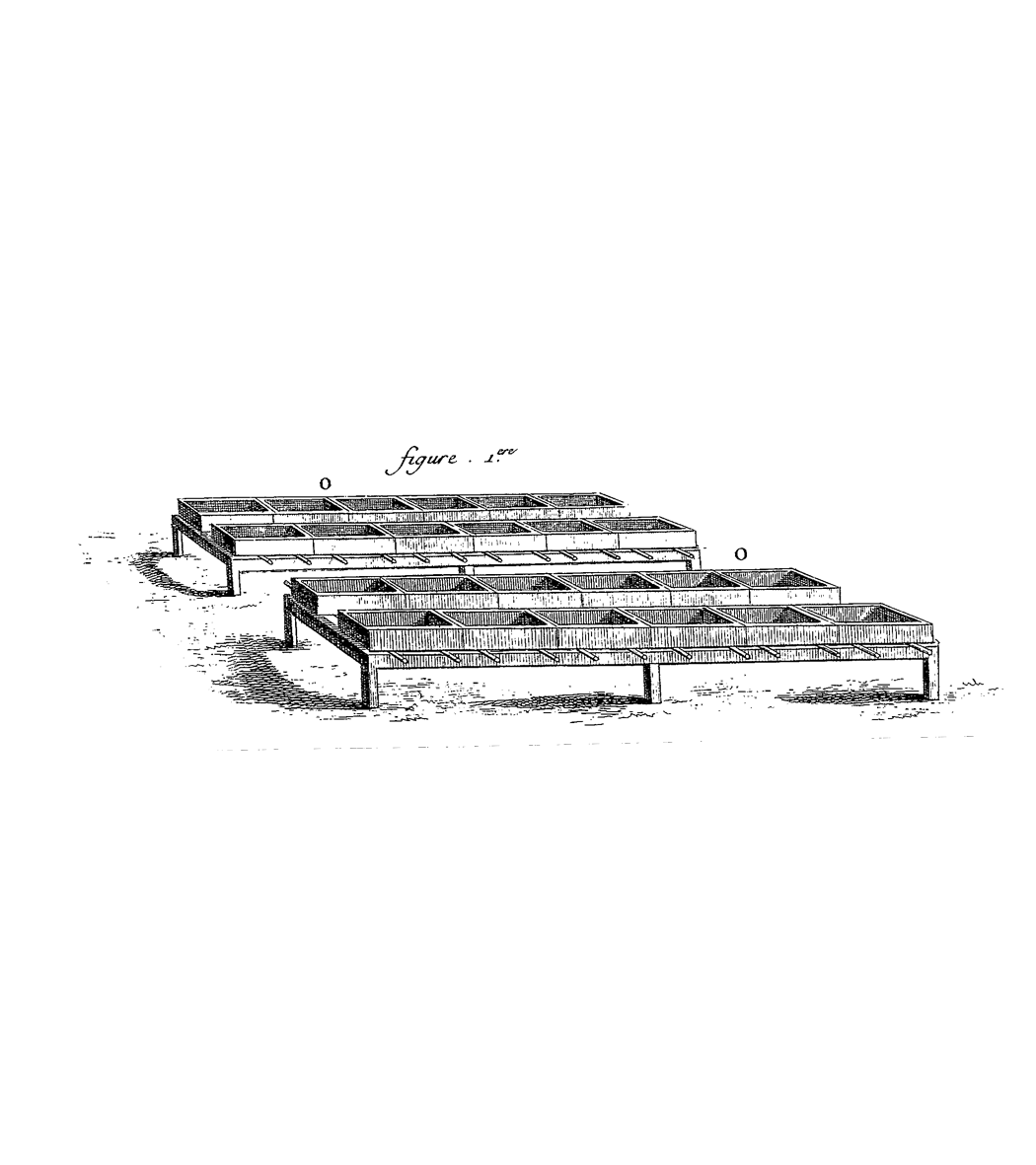
The grains are then placed on drying beds for 7 to 8 days to reach a moisture content between 10 and 12%.