

What is commonly called coffee is the stimulating hot beverage consumed daily by a very large part of the world's population, which is probably nothing new to you.
The fact that this dark beverage comes from ground coffee beans mixed with water shouldn't be a revelation to you either. However, what is generally less known is the botanical aspect of coffee and its transformation process.
Coffee Botany - n.f.
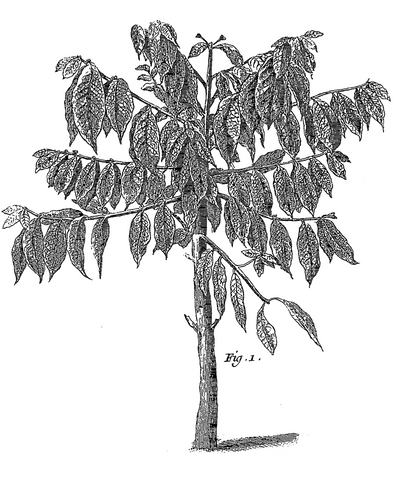
Coffee beans come from the coffee tree (or coffee plant), a shrub measuring between 2 and 12 meters depending on the variety. This subtropical or tropical shrub with large leaves thrives in partial shade and grows naturally in certain forests between the Tropics of Cancer and Capricorn. Coffee trees grow at altitudes ranging from 600 to 2400m and can withstand temperatures between 15 and 30°C.
Whether in the lush forests of Ethiopia, on the slopes of volcanoes in Guatemala, or in the humid microclimates of Colombia, coffee adapts and reveals its unique character based on its cultivation location, its botanical varieties, the fermentation methods applied, and the producers' expertise throughout the process.
Coffee Production - n.f.

Initially, a seed is planted. It takes 3 to 5 years for the tree to bear its first fruits and be exploited. The life cycle of the tree is then punctuated by dry and wet seasons, from flowering, which can last between 6 and 9 months, to harvesting. The fruit, called a "coffee cherry," resembles the cherries that grow in France. They are edible and change color over time: green, then yellow, and finally red when fully ripe.
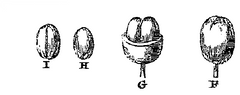
Next, they are picked and undergo a fermentation and drying process that producers master perfectly to extract the "pit": the two coffee beans that interest us. These beans are green/yellow and rather soft; it's possible to bite into them, revealing unsavory vegetal aromas (chickpea, asparagus, etc.).
Then the beans are cleaned, sorted, and bagged to be exported all over the world, including to the Celsius workshop.
Coffee Roasting - n.f.
It is only when heated that these green beans reveal their true potential.
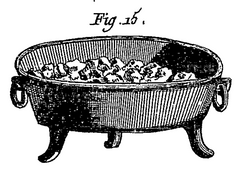
They are cooked using a roaster, a machine that performs roasting (yes, it's the same word used for the profession of roaster, sometimes leading to confusion). This roaster is, to simplify, a mix of a barbecue and a washing machine that allows for progressive and uniform cooking.
Roasting allows the sugars naturally present in green coffee to caramelize through the Maillard chemical reaction and to evacuate their water by evaporation. Heated to over 200°C for a duration between 8 to 14 minutes, the green beans will thus take on the familiar brown color. (more details on roasting) When well-mastered, roasting acts as a true taste enhancer, just like winemaking for grapes. Depending on the adjustments made during heating, it can accentuate certain attributes more than others. A more pronounced acidity or, conversely, a search for more sweetness in the cup. The same applies to aromas, which can vary considerably depending on the parameters.
When roasted, coffee has no less than 800 different aromatic compounds, twice as many as wine. In principle, coffee tastes would be more varied than wine. Nevertheless, wine has millennia behind it
Coffee Extraction - n.f.
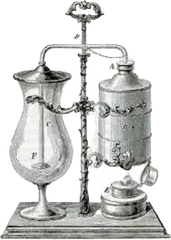
Finally, after a few days of rest, the coffee can be consumed. Be aware that extraction is the last crucial step in this long process from seed to cup. It is responsible for extracting the right amount of aromatic components present in the coffee to establish the perfect balance. It can elevate the work done by producers and artisan roasters or, conversely, destroy their efforts if not well mastered.
Indeed, unlike a bottle of wine, where the only factors involved are serving temperature, potential decanting, and the correct assessment of the opening moment, coffee is not so straightforward and can be temperamental if a certain number of criteria are not taken into account. Water temperature, grind size, water-to-coffee ratio, and recipe adherence are parameters to be adapted based on different extraction methods (espresso, filter, French press, Moka pot, etc.) and the coffee's composition (origin, density, freshness, etc.). Don't worry, the beginnings can be discouraging, but the effort is rewarded, believe us!
Next - n.f.
All these topics, dealing with botany, production, roasting, and extraction, are as interesting as they are complex, and deserve in-depth explanations. We propose to address these themes in future articles.
Our mission at Celsius. is to select exceptional specialty coffees , and through roasting, to reveal the best that a coffee tree can offer, to interpret it in our own way, and to do our utmost to ensure optimal extraction in order to serve a cup of coffee full of flavors and emotions.